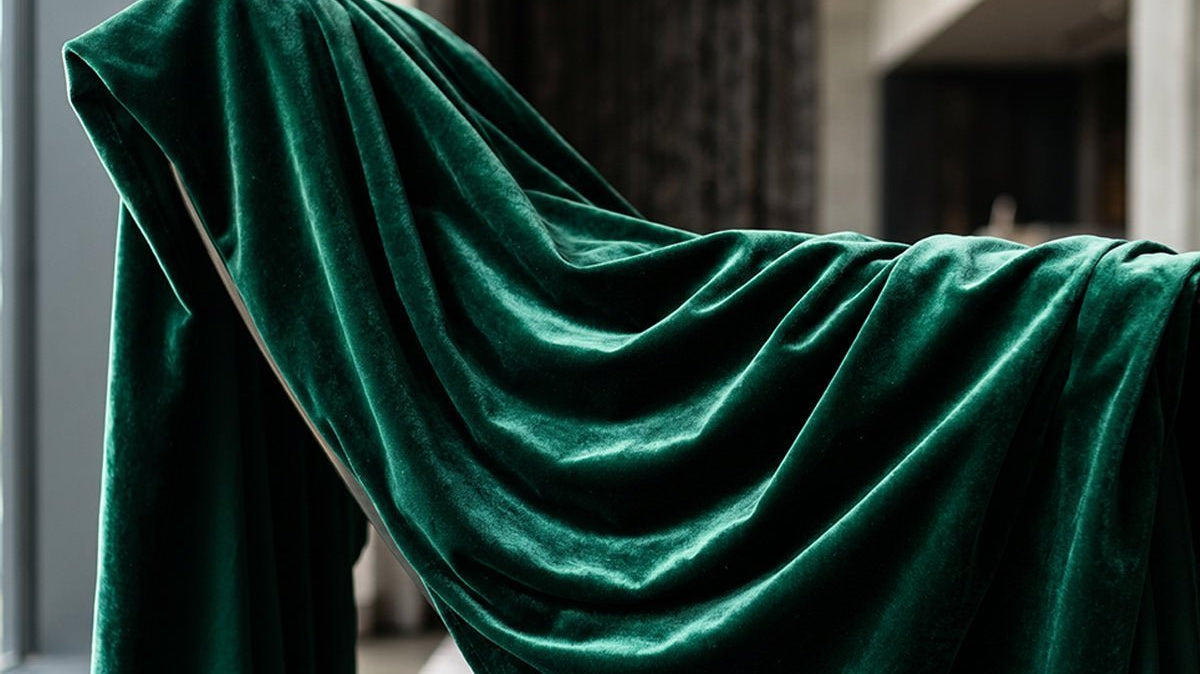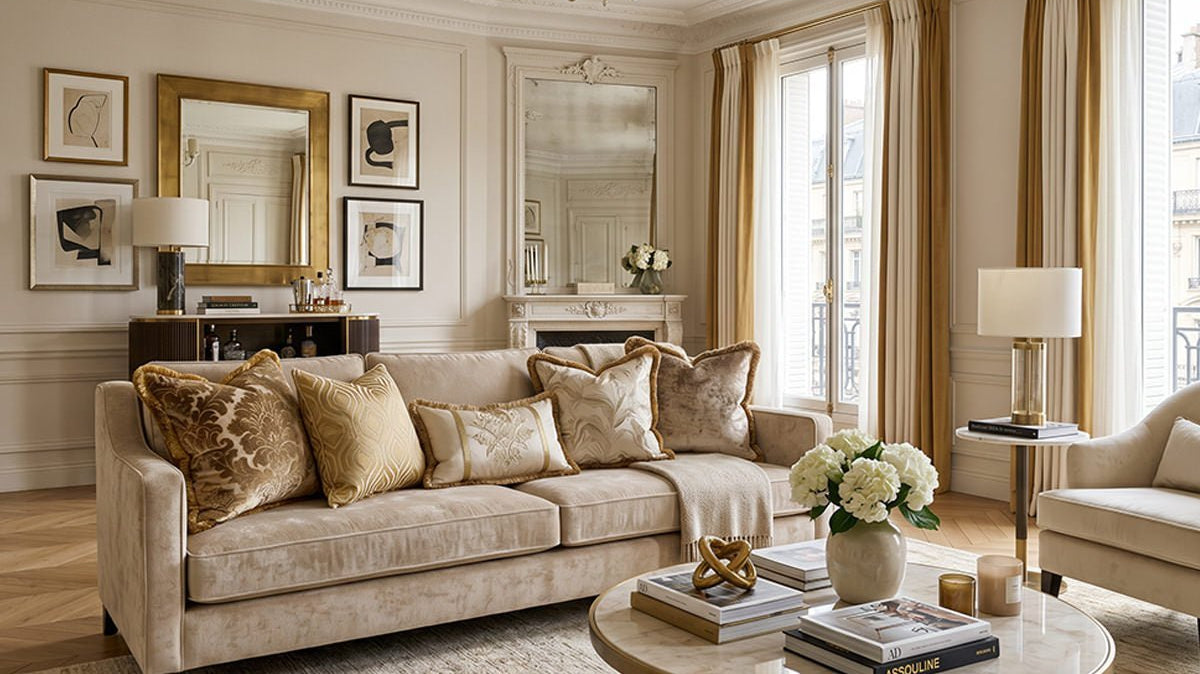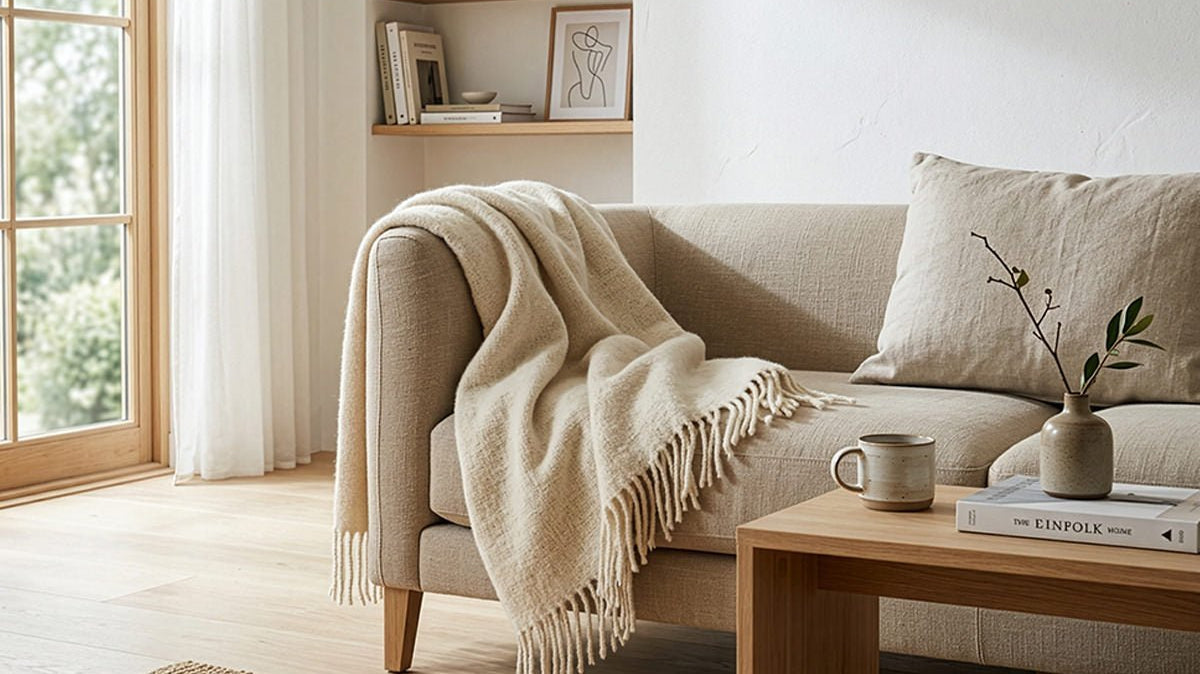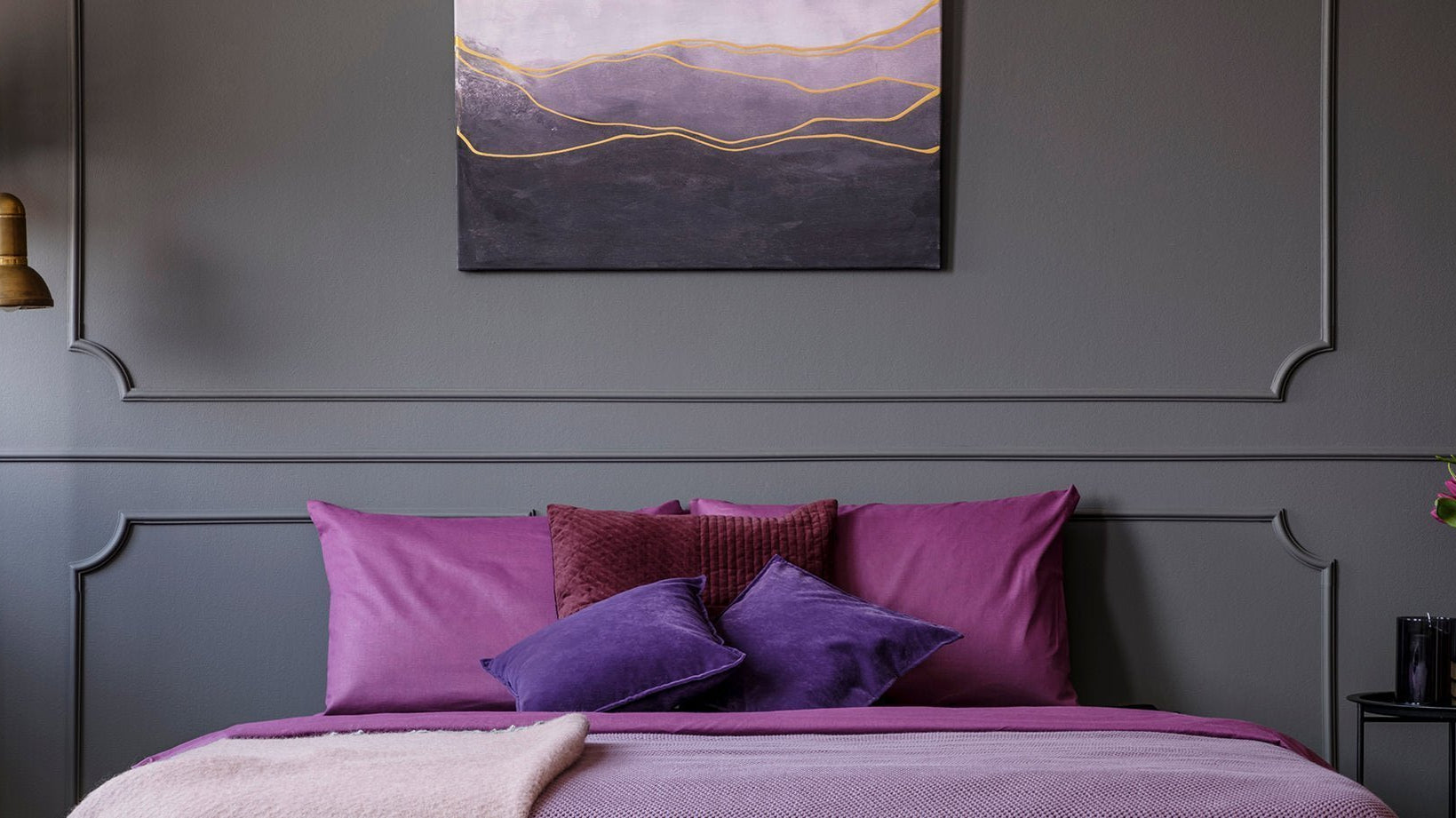








Velvet is a woven fabric characterized by a dense, short pile on its surface. In Japanese, it is also known as "birōdo" (天鵞絨). With a smooth, rich texture that seems to cling to your fingers when stroked, and a unique luster that shimmers deeply with the angle of light—it's a fabric synonymous with luxury, cherished by royalty and nobility since ancient times, and still gracing the spaces of hotels and theaters today.
In this article, from the perspective of an interior specialty store, we will explain the secrets behind velvet's allure, its differences from velour and suede, which are often confused with it, and the basics of its care.
Why is velvet's luster so special?

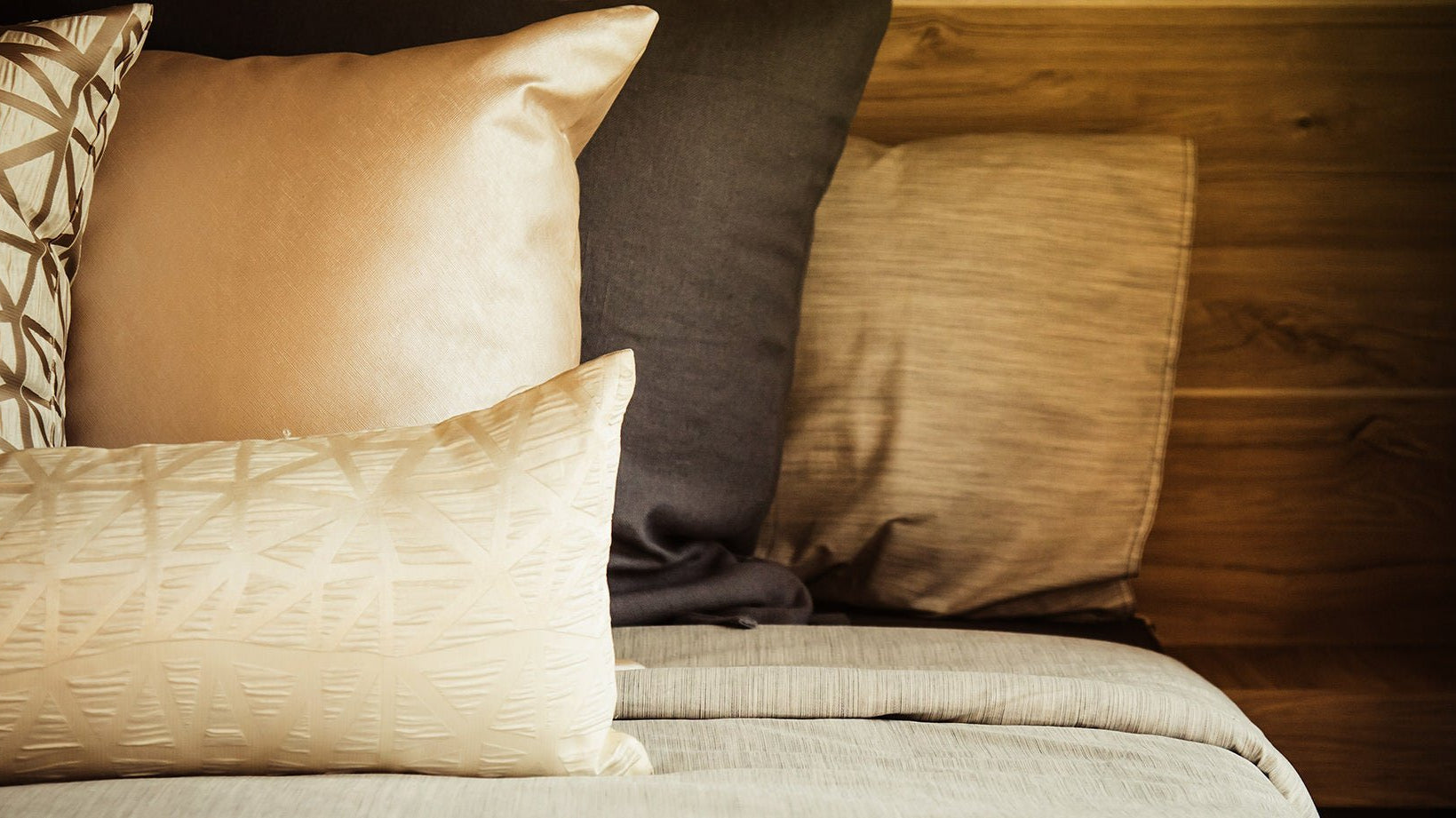
The secret to velvet's luster lies in its countless upright pile fibers. Depending on the angle at which the pile catches the light, it can create deep shadows or shine brilliantly—the same fabric can transform its appearance with changes in viewing angle or lighting. It is said to be most beautiful at night under indirect lighting, which is why it is essential for creating a hotel-like atmosphere.
Since the Middle Ages, velvet has evolved alongside European court culture. Venice, in particular, was renowned for its production of high-quality velvet, and Rubelli, whose products we carry, is a maison that continues this tradition today.
Differences from Velour and Suede

These three materials are often confused, but they are made differently.
Velvet is a "woven fabric" created by forming pile with warp threads. It is the most formal manufacturing method. Similar to velvet, Velveteen is a woven fabric that creates pile with weft threads, resulting in a shorter pile and a more matte texture than velvet.
Velour is actually a broad term with no strict global definition. In Japan, it generally refers to pile fabric made from stretchy knitwear, giving it a somewhat casual and soft impression. Suede (suede-like) originally refers to napped leather; in the case of fabric, it refers to a woven fabric with a napped surface that feels like suede. Its characteristic is a matte, warm texture.
The distinguishing factor is the quality of the luster. Velvet has a deep, lustrous sheen, velour has a soft sheen, and suede-like fabric is matte. It's not about which is superior, but rather choosing the right one for the desired aesthetic of the space—velvet for glamour, velour for casual softness, and suede-like for a subdued feel.
Jacquard Velvet: A Symphony of Weave and Pile

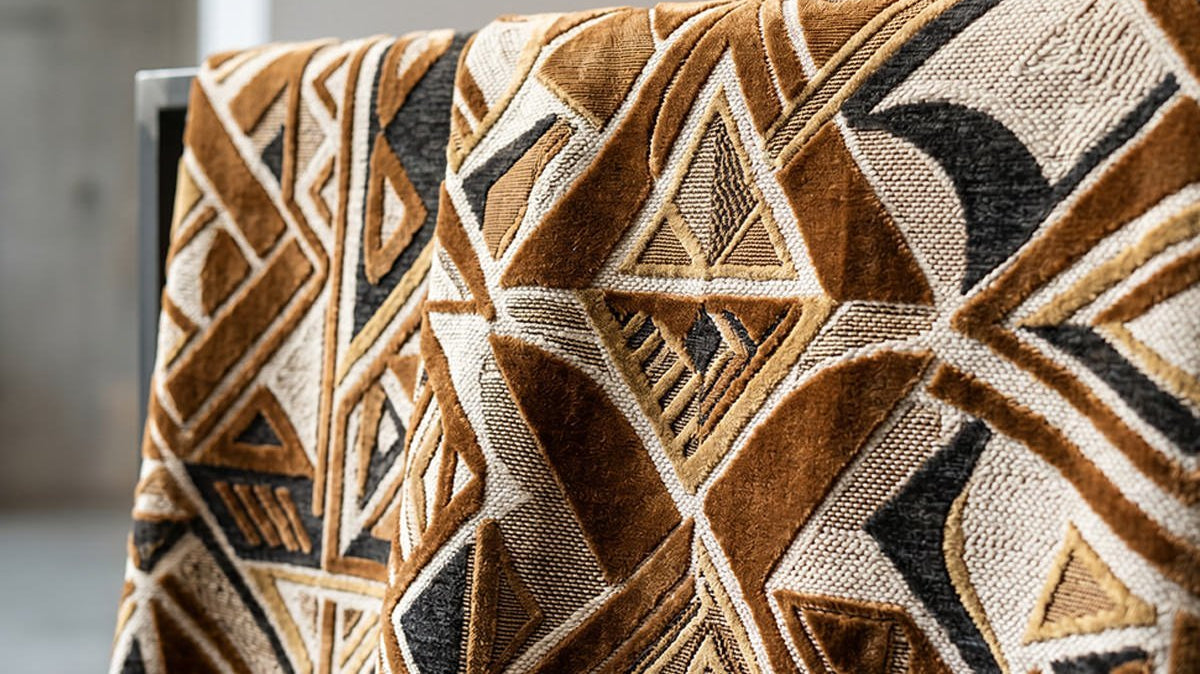
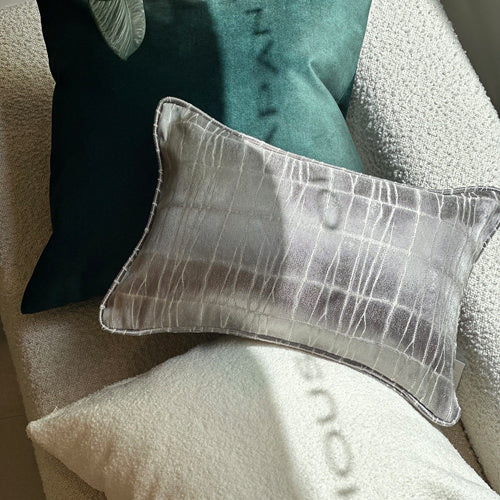
Jacquard velvet features patterns that are raised by the weave within the velvet pile. This technique, where patterns appear and recede with every catch of light, is particularly popular at our store. You can find more details in our article: What is Jacquard Weave?
Basic Care
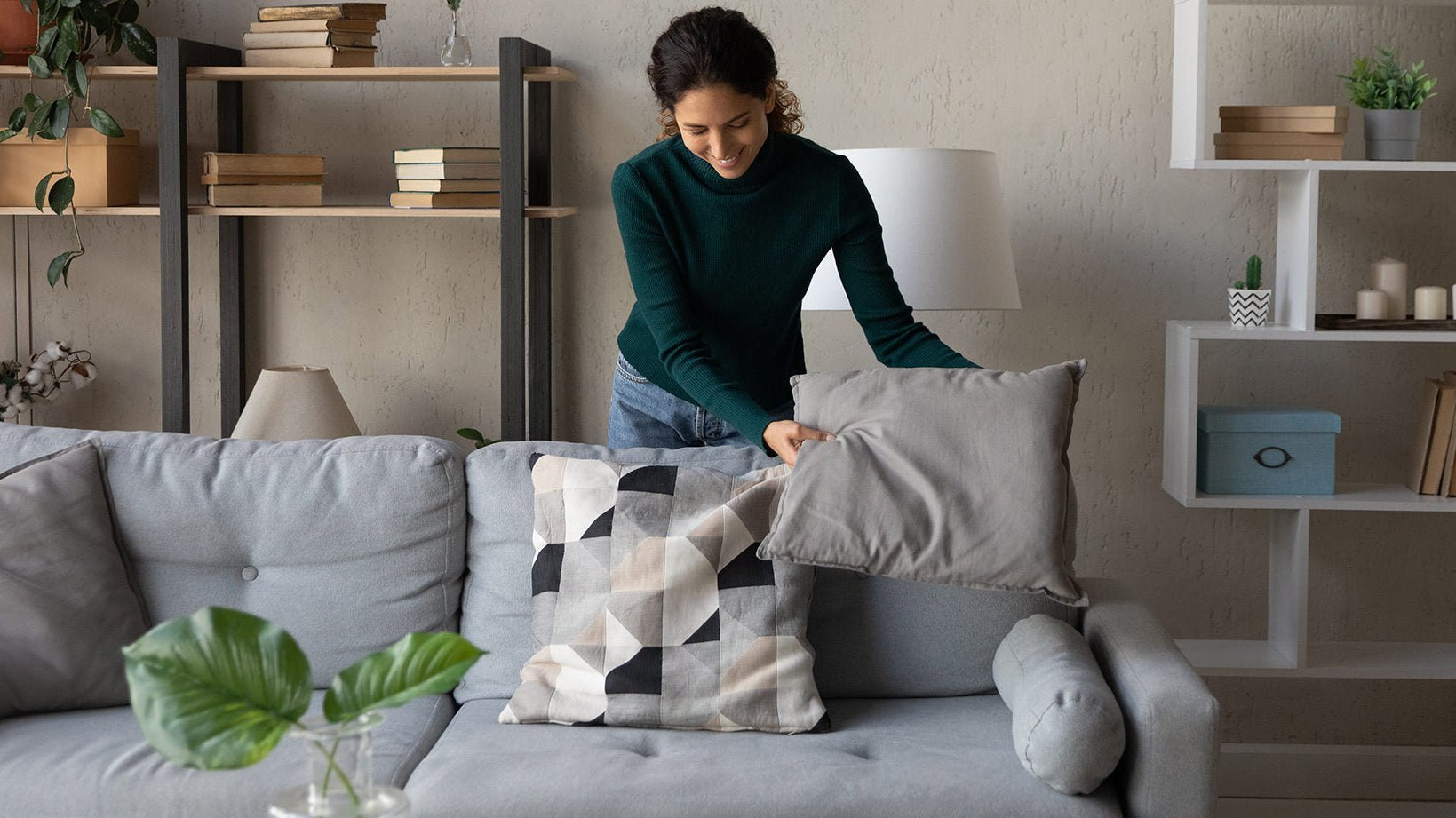
The beauty of velvet depends on the direction of its nap. For daily care, simply brush lightly along the nap with a soft brush to remove dust. If heavy objects are left in the same spot for extended periods, pressure marks (flattened pile) may occur, so if it's a cushion, occasionally change its position and fluff it back into shape. Washability varies by material, so please check the description on each product page.
Frequently Asked Questions
Q. Can velvet cushions be used in summer?
A. Yes. Many modern velvet fabrics, especially those blended with rayon or polyester, are thin and light, making them suitable for year-round use. Changing colors seasonally can create a cool look in summer and a warm ambiance in winter.
Q. Are "velvet" and "birōdo" the same thing?
A. Yes, they are the same. "Birōdo" is an old Japanese name derived from Portuguese, while "velvet" is the English name.
Find Velvet Items
→ Luxury Cushions (many velvet options)
→ Bestselling Cushions
→ Article: What is Jacquard Weave?
This article was written by HOUSE OF JAPAN, an interior specialty store founded in 2013 in Minami-Azabu, Tokyo. We have shared insights on fabric selection based on our experience in soft furnishings delivery to hotels and commercial facilities.