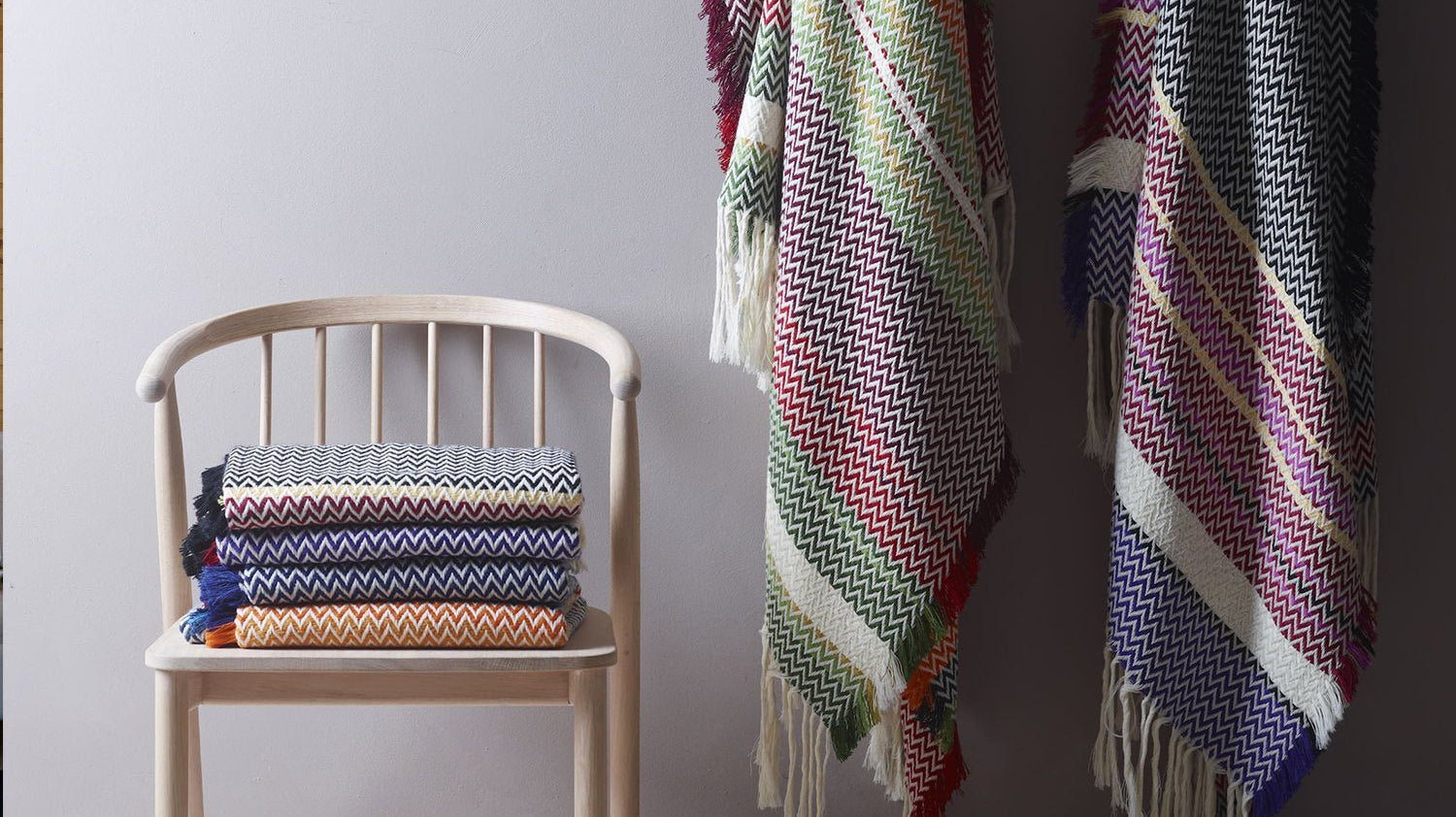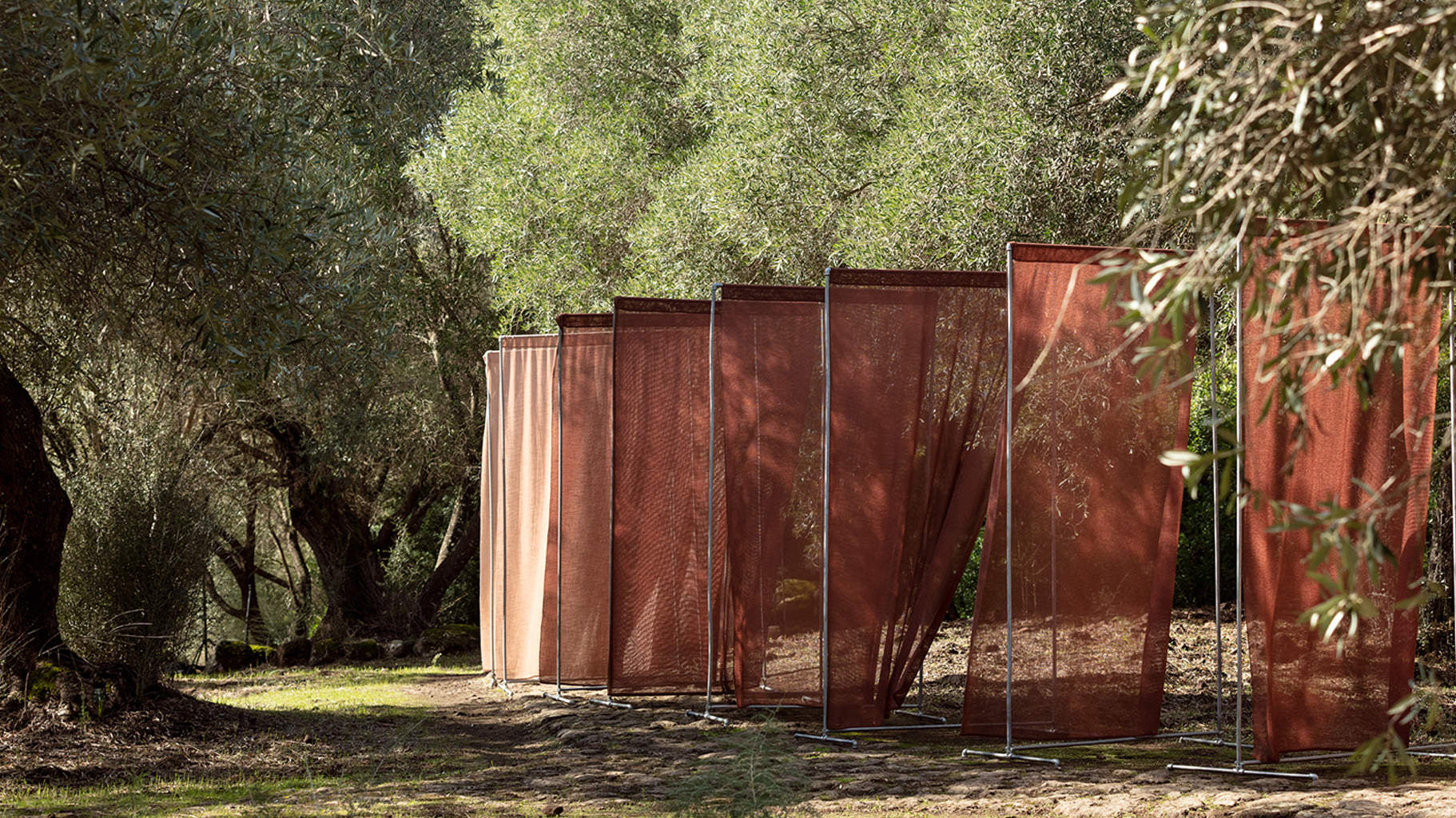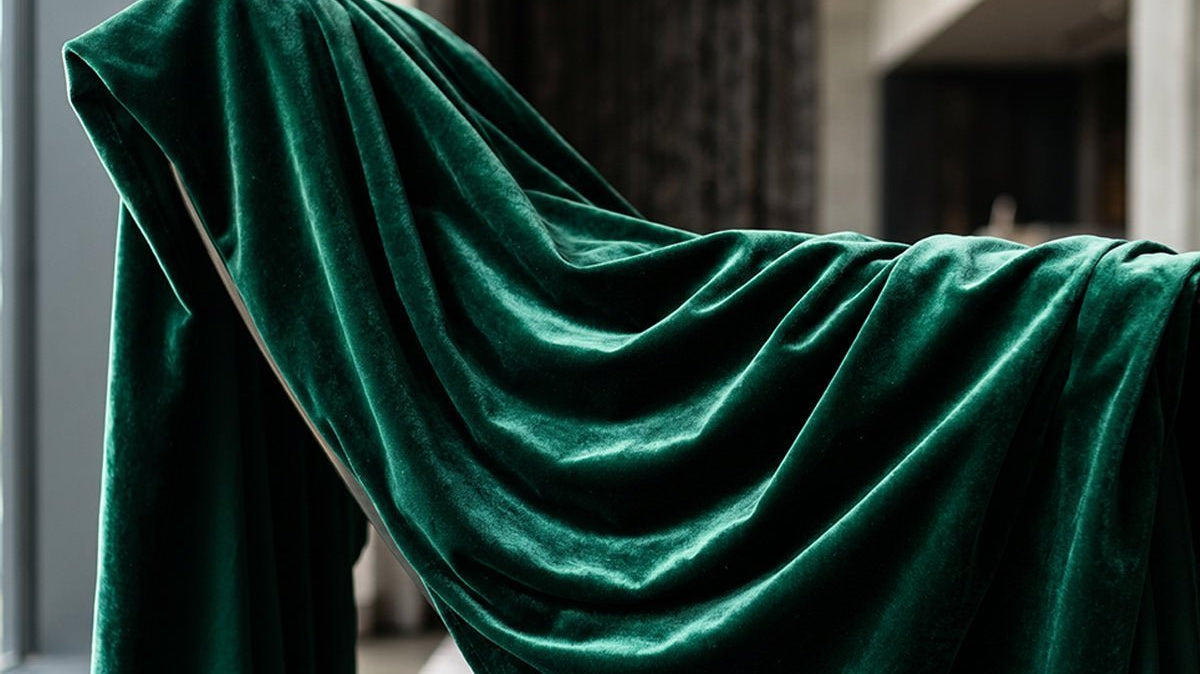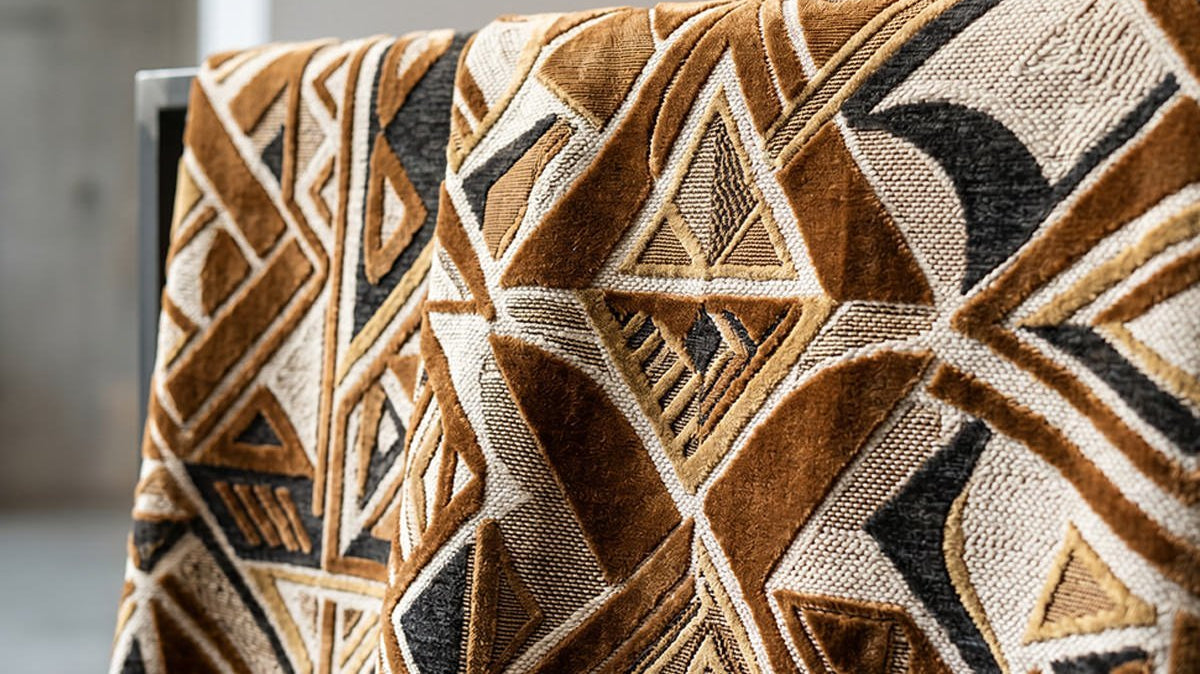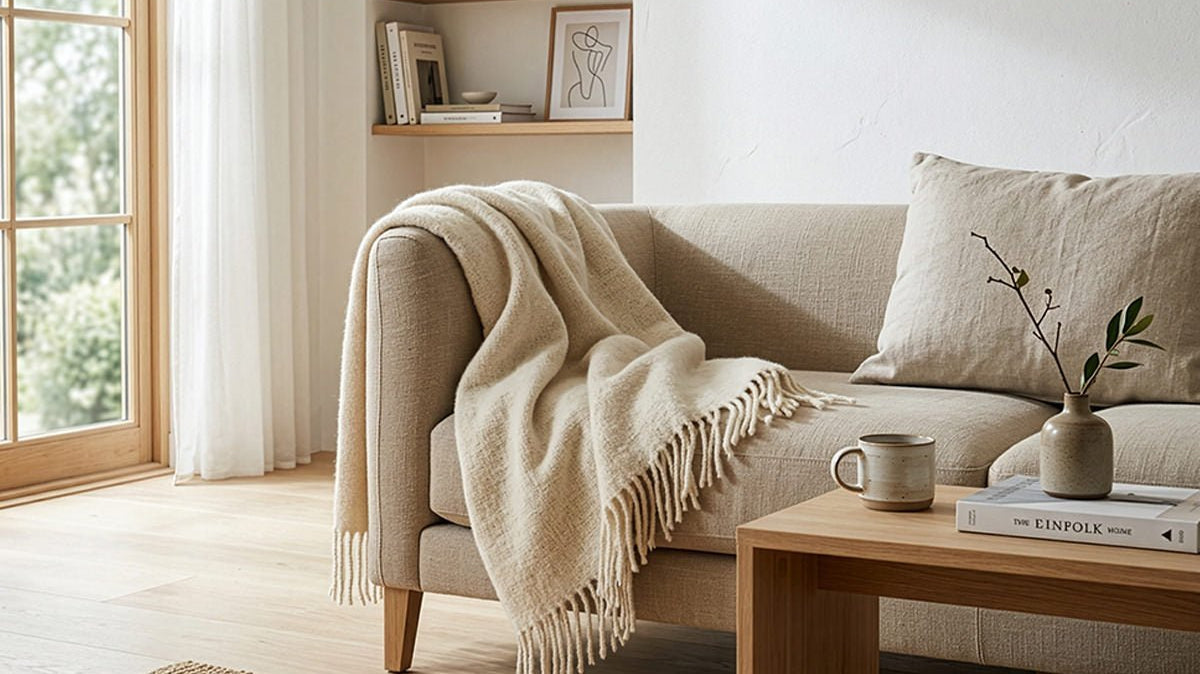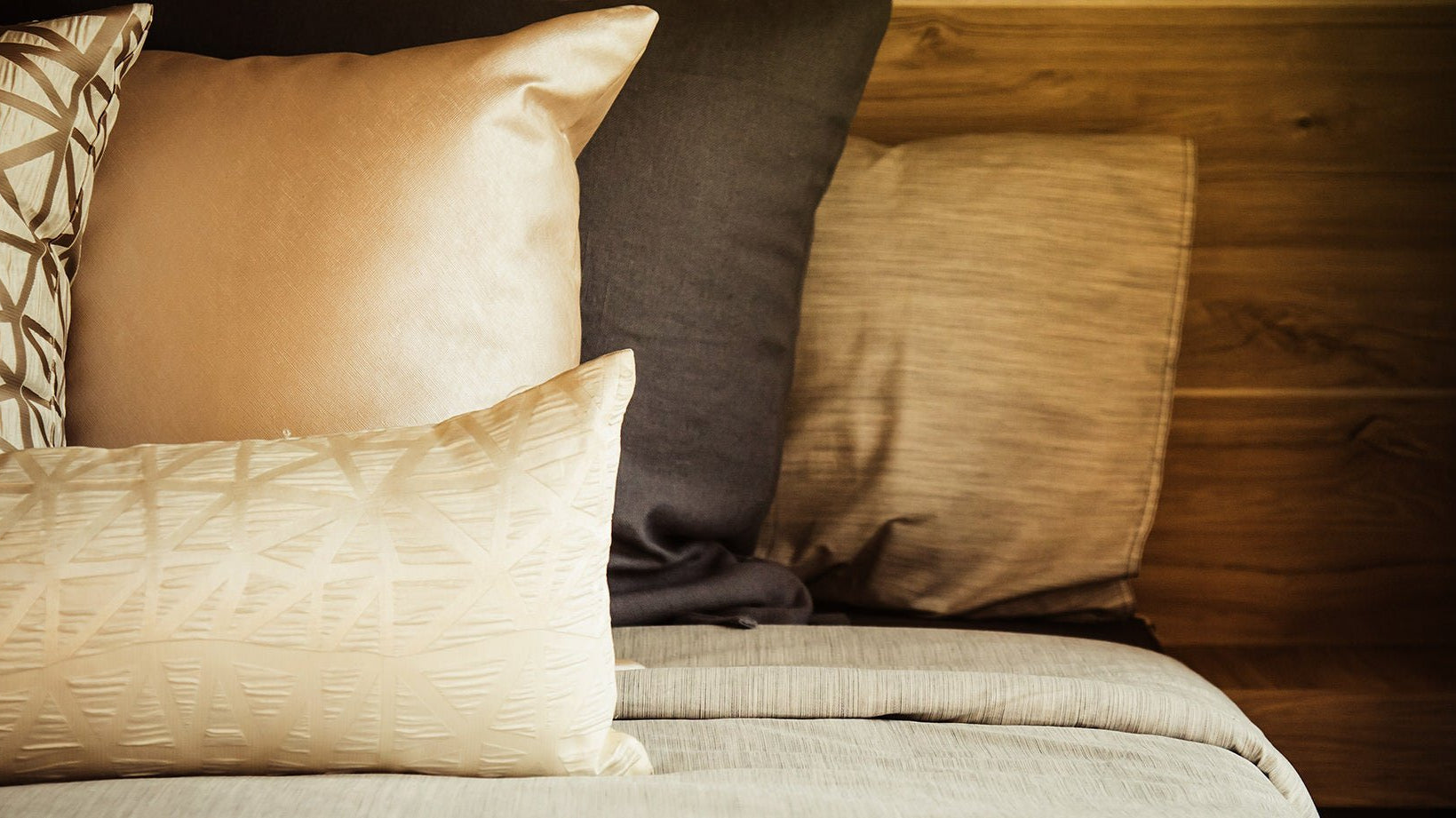


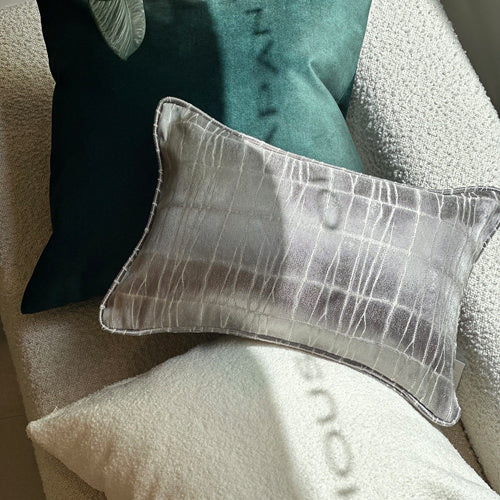
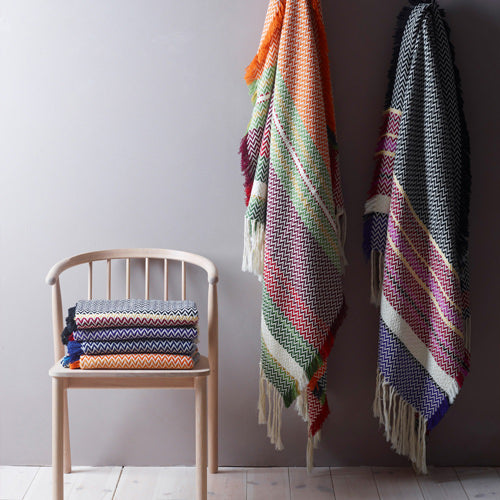







A "throw" is a single piece of fabric that serves both decorative and practical purposes, used by "casually draping" it over a sofa or bed. In Japan, it may also be called a "throw blanket" or "sofa blanket." You've seen them beautifully draped over the back of a sofa or at the foot of a bed in foreign hotels or interior design scenes in dramas—that's a throw.
In this article, from the perspective of an interior design specialty store, we'll explain everything from the difference between throws and blankets, how to choose materials, sizes, colors, and patterns, to our popular international brands.
Differences Between Throws and Blankets

To put it simply, there isn't a clear distinction, but rather a difference in "purpose of use." A blanket is an item closer to bedding, used to warm the body, while a throw is an item closer to interior decor, used to adorn a space while also serving as a lap blanket or shoulder wrap when needed. For this reason, throws predominantly feature beautiful edge finishes like fringe or hem edges, and high design quality in patterns and colors.
"Does it look good just by being there?" This is the most important criterion when choosing a throw.
Choosing by Material — Season and Feel

The impression and comfort of a throw are largely determined by its material. Here's a summary of the characteristics of the main materials we carry.
Merino wool is a classic throw material, offering a fine, soft feel and high warmth retention. Many throws from British Designers Guild use it. Pure new wool (first-shear wool) combines the warmth of wool with a softness gentle enough for direct skin contact, making it appealing for year-round use (e.g., Norwegian Bunad blankets).
Baby alpaca is one of the world's rarest and highest quality fibers. Its hollow fiber structure provides a unique experience of being light yet warm. Mohair is prized for its lightness, warmth, and fluffy pile. Linen or cotton-linen blends offer a comfortable dry feel for spring and summer, with heavier weights suitable for bedspreads.
Choosing by Size and Use

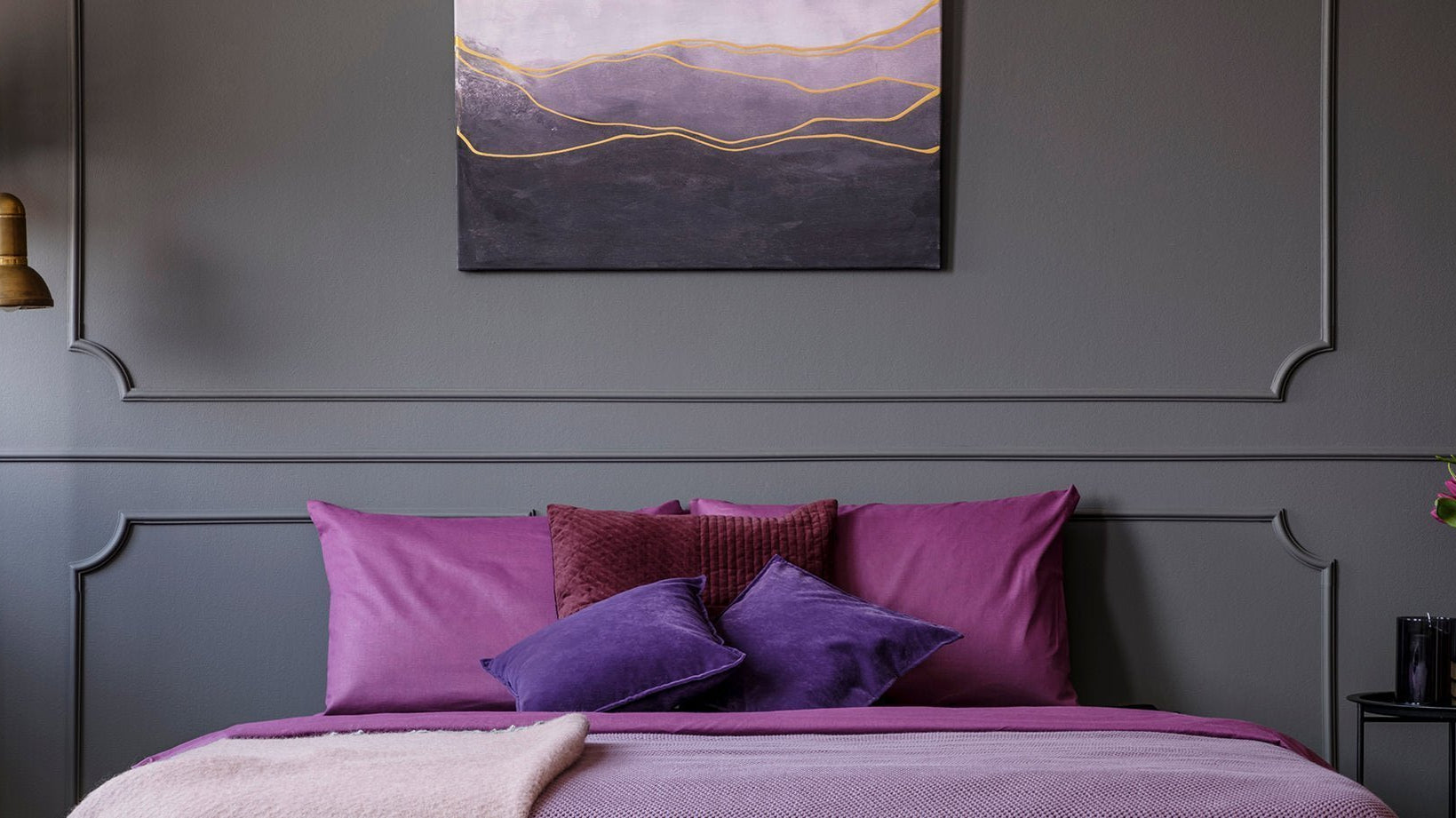
For draping over the back or arm of a sofa, a standard size around 130x180cm is easy to handle, while a smaller size is sufficient for a single armchair or primarily as a lap blanket. If using it as a "foot throw" at the end of a bed, choose one slightly wider than the bed for a beautiful fit. If you want to cover the entire bed, opt for a large bedspread type (jeté de lit).
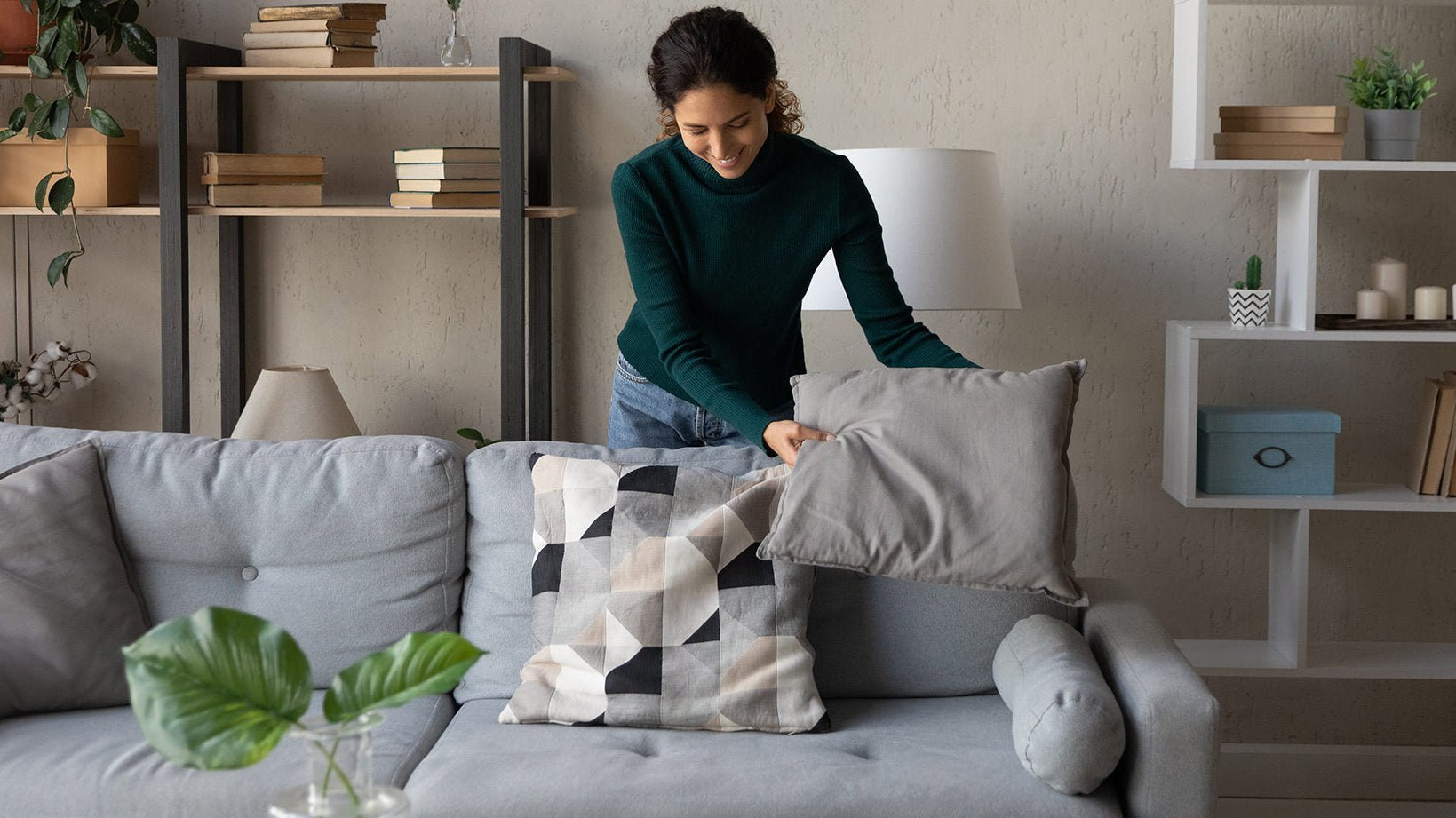
There's no single "right" way to drape, but the rule of thumb is "casually, yet strategically." Instead of folding it neatly, try gently tossing it and letting one side hang longer for a more sophisticated look. For detailed coordination tips, please see our articles on how to arrange cushions on a sofa and cushion placement on a bed.
Choosing by Color and Pattern — "Accent Color" or "Blend In" with the Room

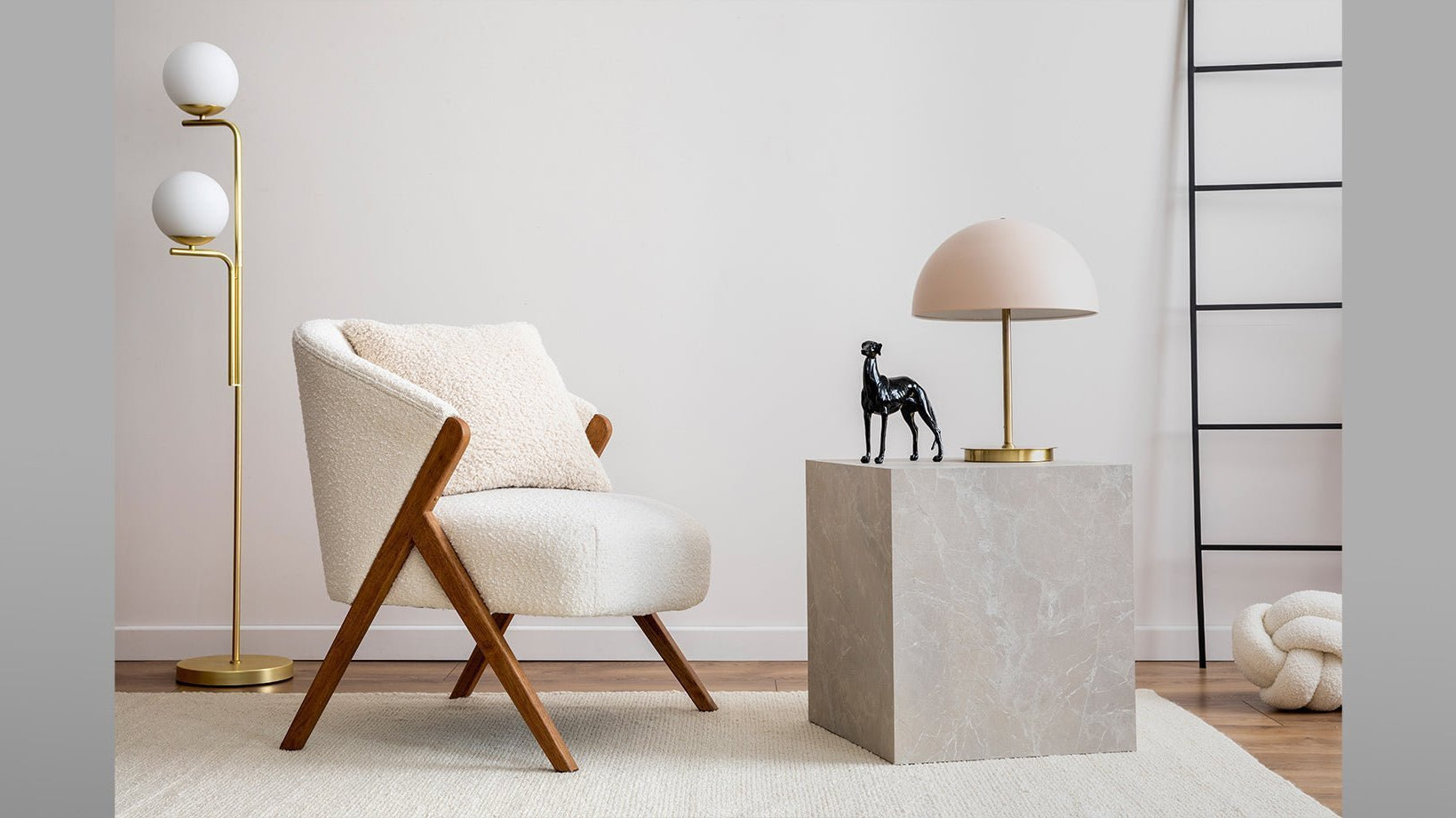
Since throws aren't too large, they're an easy item to try bold colors and patterns. If you want to add vibrancy to a space, use bright checks, floral patterns, or bold graphic patterns as an accent. If you prefer a calm, unified look, choosing a solid color or tone-on-tone woven pattern that matches your sofa or walls will create an elegant coordination.
If you're unsure, remember this: "If your sofa is plain, choose a patterned throw; if your sofa is patterned, choose a plain throw" to avoid mistakes.
Our Popular Throw & Blanket Brands

Designers Guild — A British brand founded in London in 1970 by Tricia Guild. Their bold colors and sophisticated patterns are also evident in their throws, making them our most popular throw brand. View all Designers Guild throws

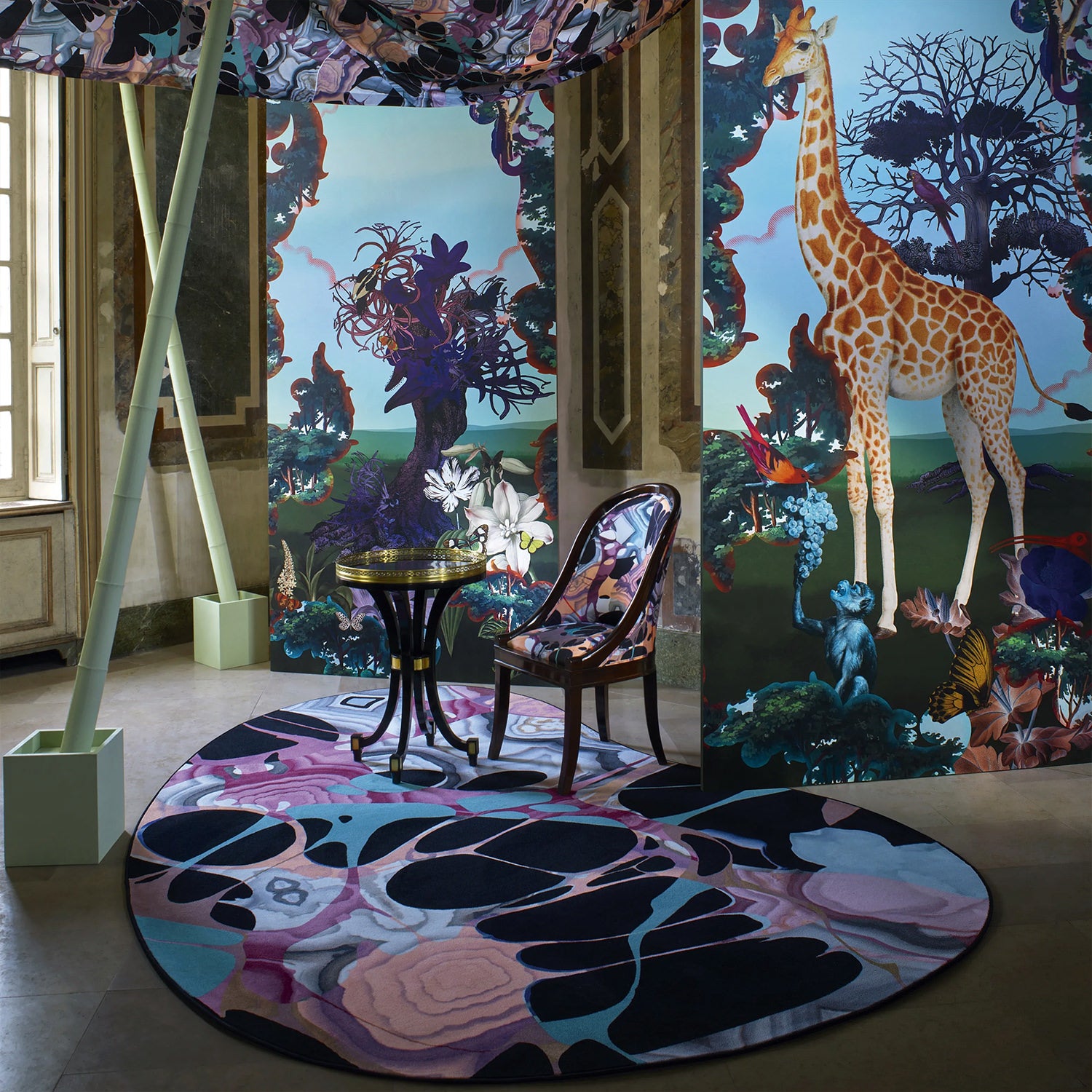
Christian Lacroix — A fashion house named after the designer dubbed the "wizard of color." Since 2011, their home collection has been produced by Designers Guild UK, featuring captivating narrative patterns. View all Christian Lacroix throws

Fram Oslo — Bunad blankets, which reflect the colors of Norway's national costume "Bunad" in pure new wool, are a staple for Nordic interior design enthusiasts. View all Bunad blankets

FISBA — A luxury fabric brand from Switzerland. If you prioritize material quality, especially baby alpaca plain throws, this is the brand for you. View all FISBA throws

Frequently Asked Questions
Q. Can throws be washed?
A. It depends on the material. Wool and alpaca throws generally require dry cleaning. Please check the care instructions on each product page.
Q. How long does it take for an order to arrive?
A. Many throws from international brands are ordered from the manufacturer (approximately 2 weeks of business days). Delivery times are listed on each product page.
Find Throws & Blankets
→ View All Throws & Blankets
→ Designers Guild Throws
→ Bunad Blankets
This article was written by HOUSE OF JAPAN, an interior design specialty store established in 2013 in Minamiazabu, Tokyo. We also handle soft furnishing deliveries to hotels and commercial facilities, and we've shared selection tips based on that experience that can be applied in your home.