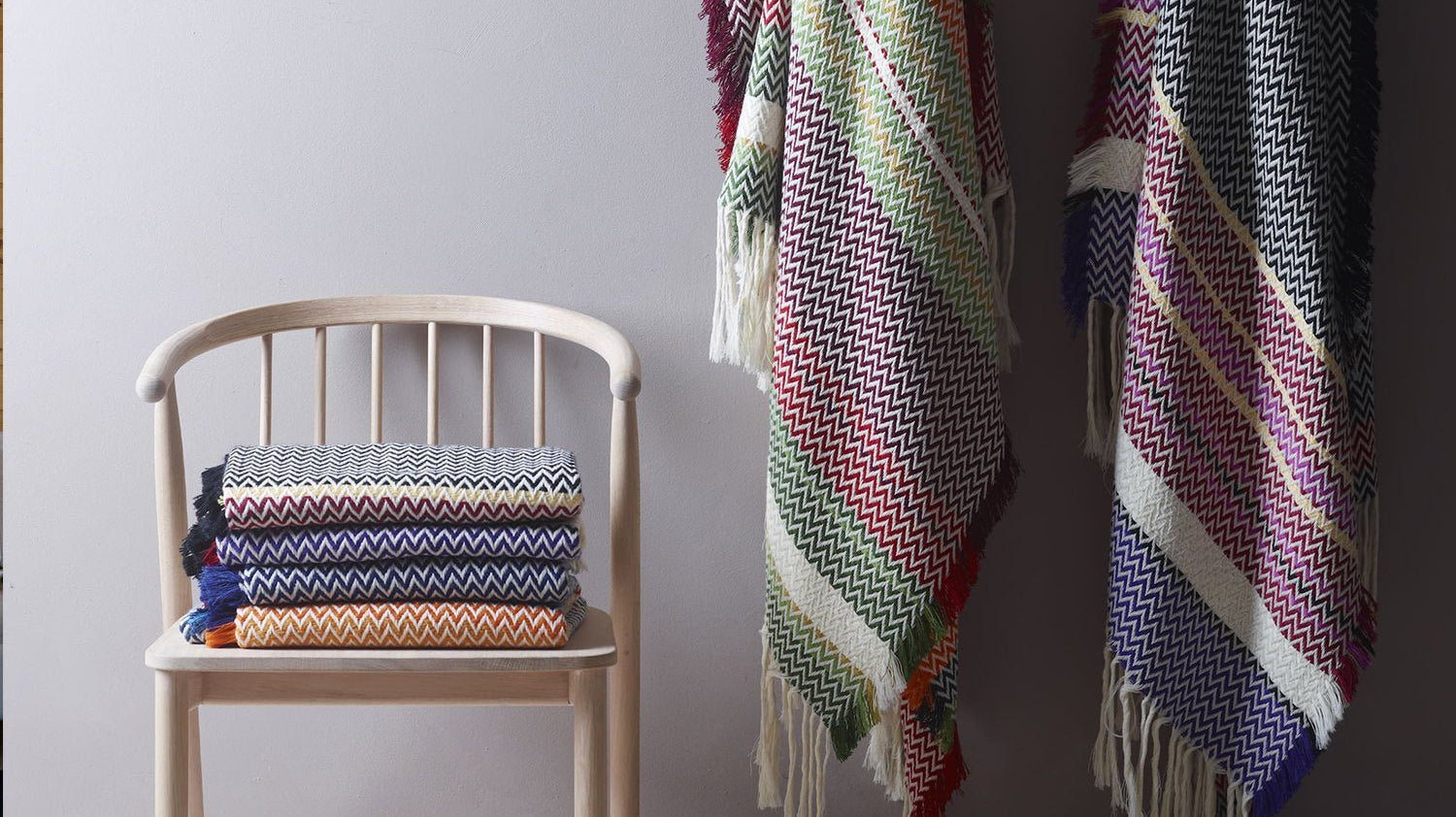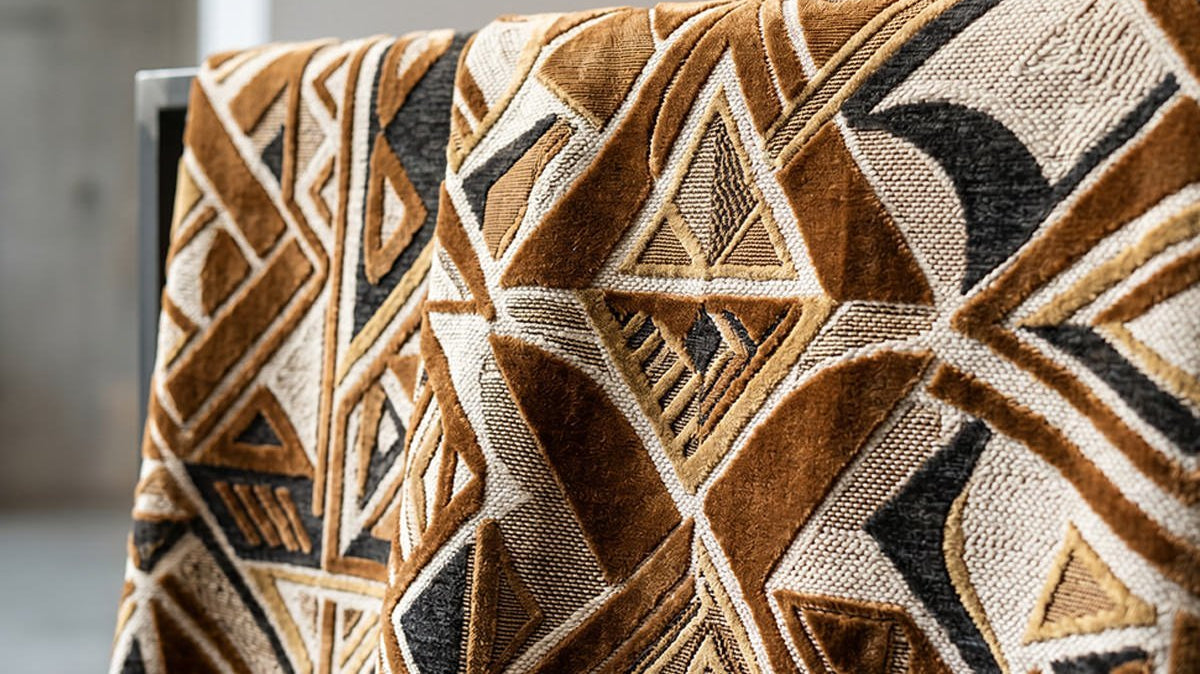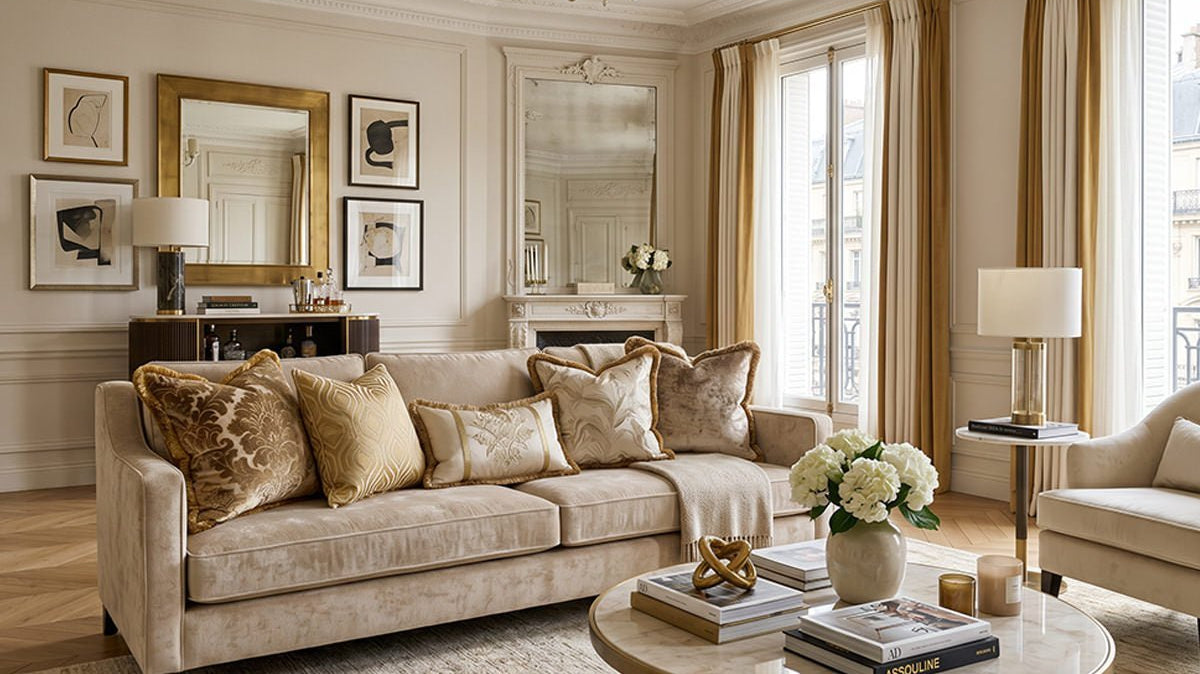


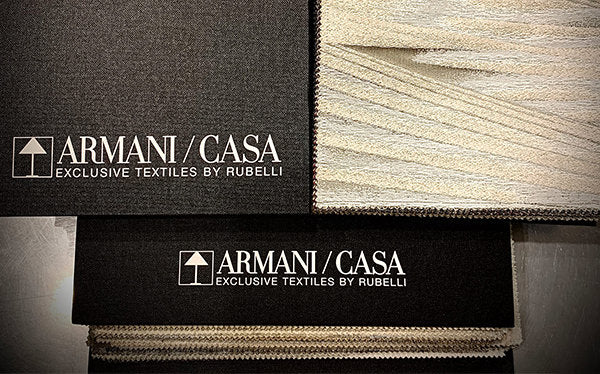



Jacquard weave refers to a fabric where the pattern is created not by printing, but by the **weaving of the threads themselves**. By manipulating individual warp threads, complex designs like floral patterns and geometric motifs are woven into the fabric's structure. Many high-quality interior fabrics, such as cushions, curtains, and sofa upholstery, are made with jacquard weave.
In this article, we will explain the origin of the jacquard weave, its differences from printed fabrics, and its relationship with jacquard velvet and Nishijin-ori, from the perspective of an interior specialty store.
Origin of Jacquard Weave – A Loom that was the Ancestor of Computers

The name comes from the "Jacquard loom," unveiled in the early 19th century by French inventor Joseph Marie Jacquard of Lyon. This invention, which automatically controlled the raising and lowering of warp threads using punched cards, made it possible to weave complex patterns by machine that previously required multiple skilled artisans.
It is said that this punch card mechanism became one of the prototypes for later calculating machines—in other words, modern computers. An invention that created beautiful textiles also left its mark on the history of information technology. The Jacquard loom was introduced to Japan during the Meiji era, significantly advancing the Nishijin-ori textiles of Kyoto.
Difference from Printed Fabric

Printing is a method of applying color to a white fabric afterward. Jacquard weave is a method of weaving patterns "into the structure" using threads of different colors. This difference creates three appealing qualities.
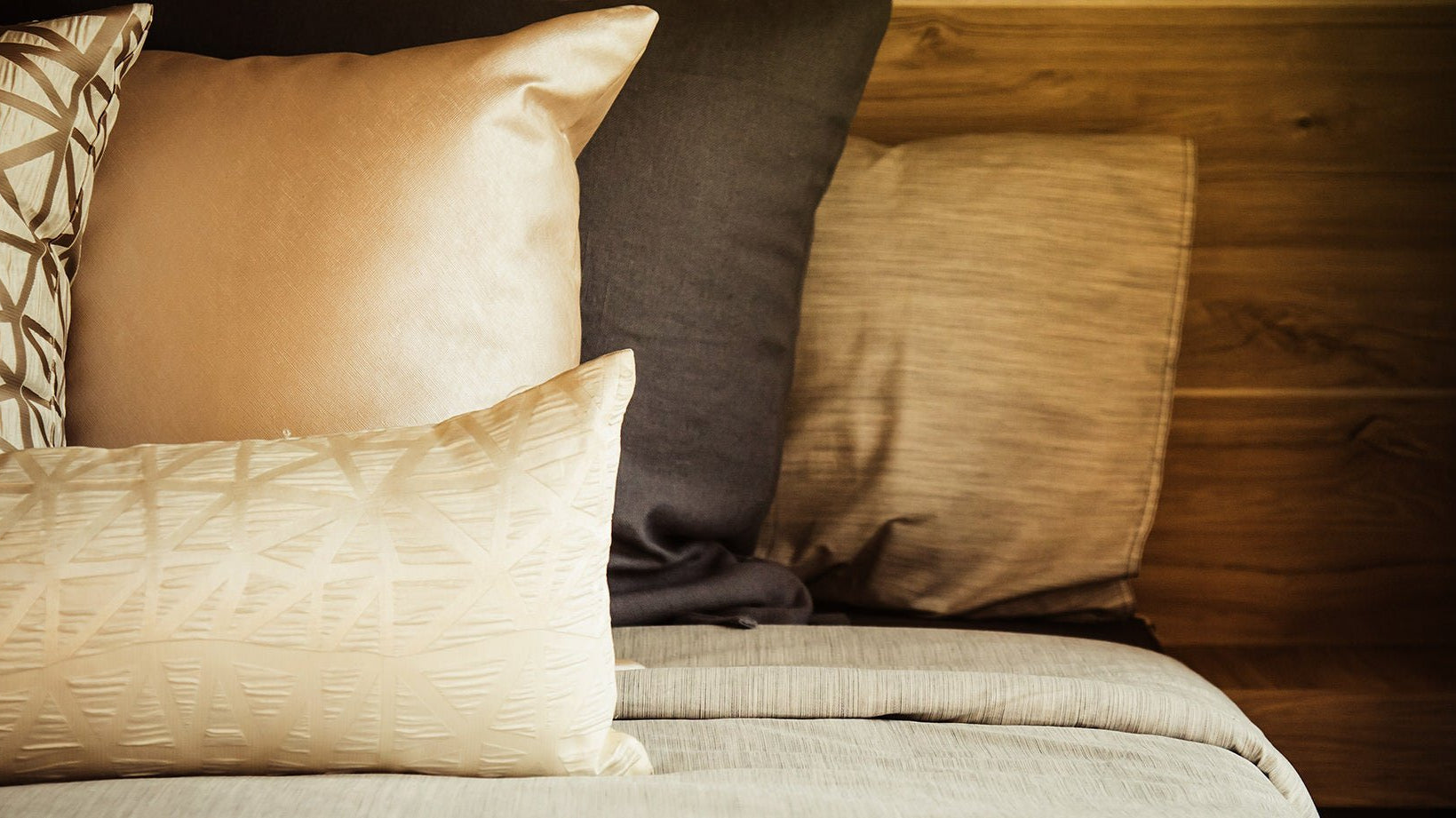
First, **three-dimensionality and shading**. The varying heights of the weave create complex expressions as light hits it, changing its appearance depending on the viewing angle and time of day. Second, **deep color saturation**. Since the color comes from the dyed threads themselves, it creates depth in the hues. Third, the **pattern does not fade**. Because the pattern is part of the fabric's structure, there is no concern that it will rub off or peel like a print.
On the other hand, digital printing excels at reproducing precise, multi-colored graphics like photographs. It's not about which is superior, but rather choosing jacquard for depth of texture and print for painterly expressions.
The Luxury of Jacquard Velvet


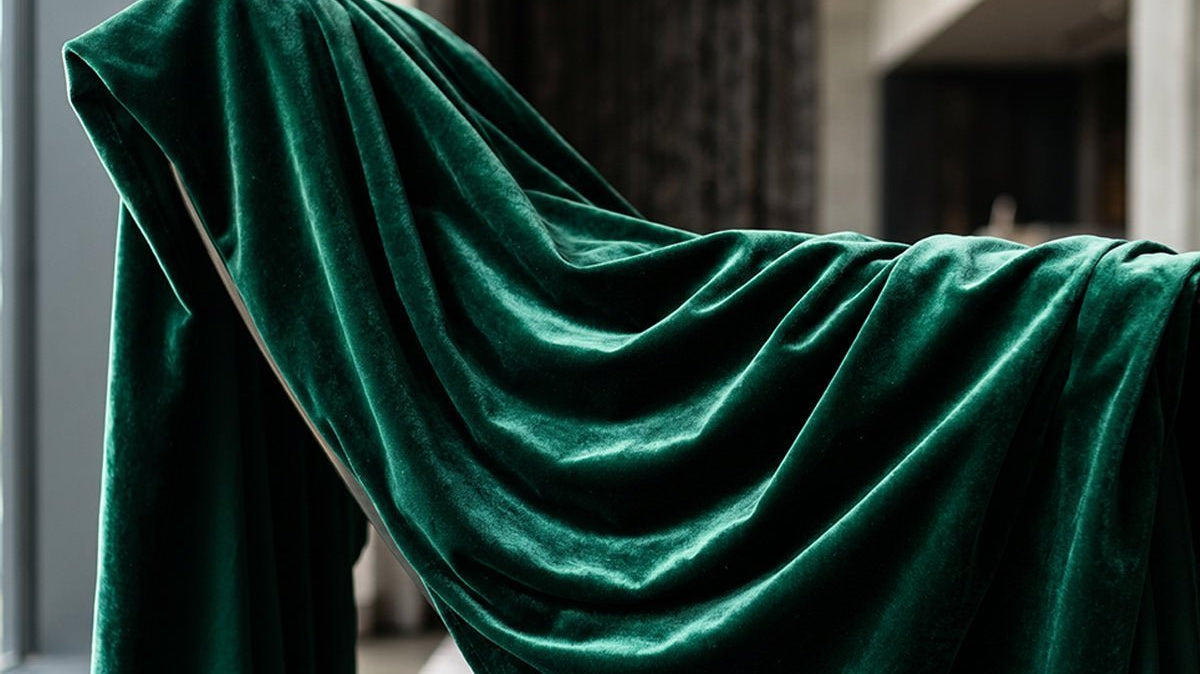
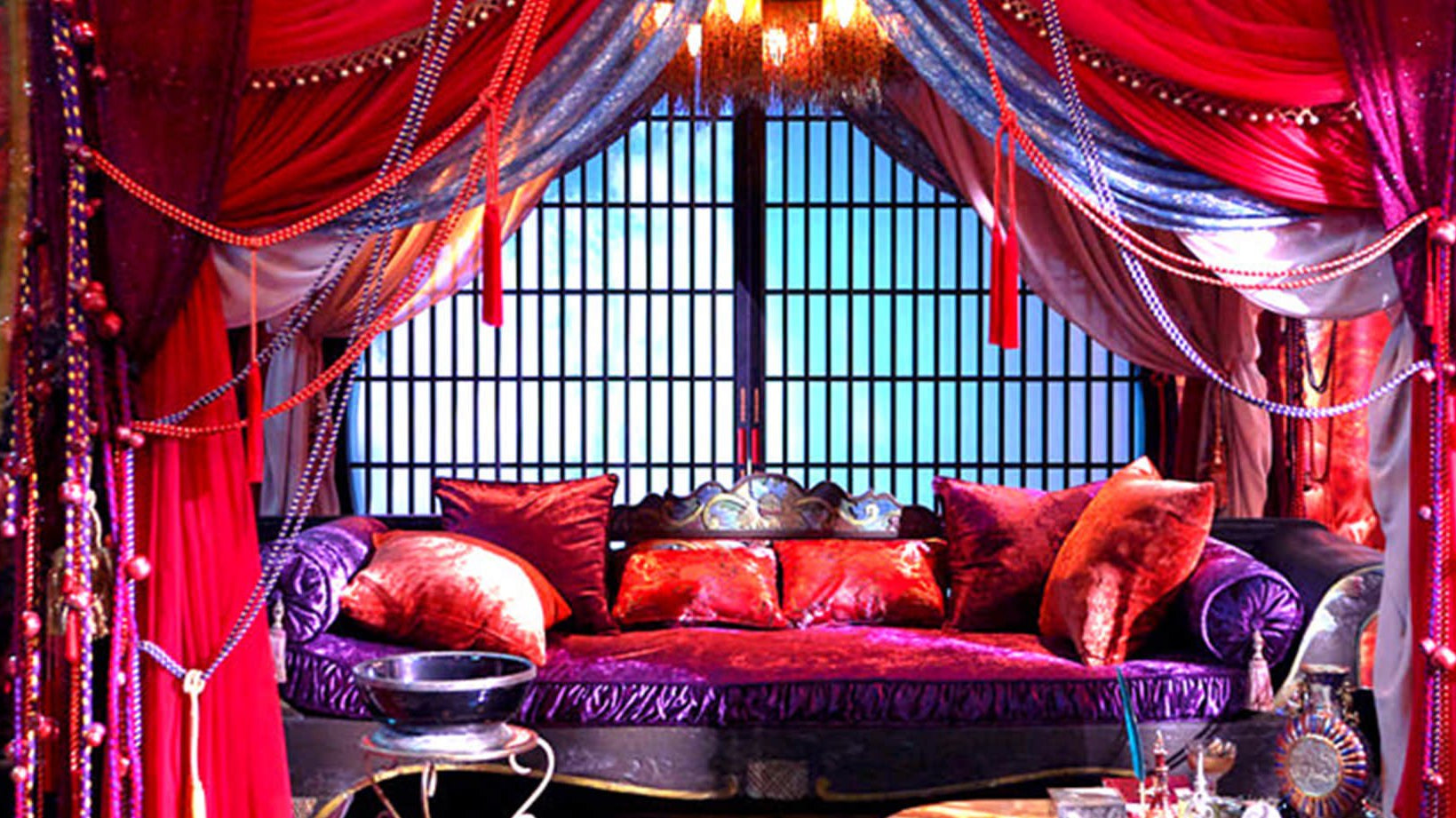
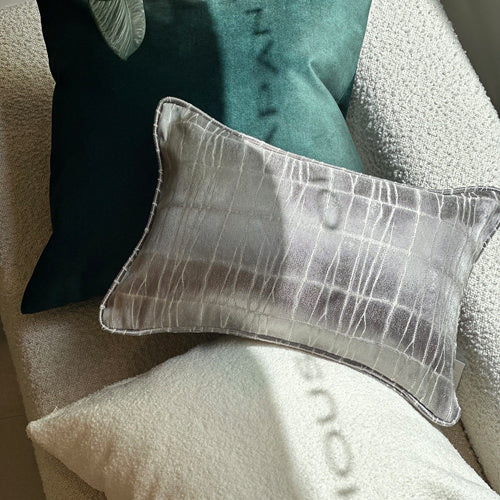
Particularly popular among our cushions is **jacquard velvet**, a combination of jacquard weave and velvet. The woven pattern emerges from the glossy pile of the velvet, with the pattern appearing and receding as light hits it—a theatrical grandeur that cannot be achieved with flat fabrics. Many of our best-selling cushions, such as those with Maori tattoo patterns and French-made Charlotte designs, utilize this technique.
Nishijin-ori is also a type of Jacquard

Kyoto's Nishijin-ori is also a woven fabric that expresses patterns through weaving. The technique of incorporating gold and silver threads to intricately weave Heian picture scrolls and famous landscapes stands at a unique height among global jacquard cultures. We also create Nishijin-ori cushions, which are popular for modern Japanese spaces and as gifts for international visitors.
Frequently Asked Questions
Q. Is it "jacquard" or "jagard"?
A. Both refer to the same thing. It's a difference in how the inventor Jacquard is read, and we use both spellings depending on the product.
Q. Are jacquard weave cushions difficult to care for?
A. It depends on the material. Please check the care instructions on each product page. You can maintain their beauty with light brushing or dusting in your daily routine.
Find Jacquard Weave Items
→ Luxury Cushion List (many jacquard)
→ Bestselling Cushion List
→ Article: What are Luxury Cushions? Brands and How to Choose
This article is written by HOUSE OF JAPAN, an interior specialty store founded in 2013 in Minamiazabu, Tokyo. Based on our experience in delivering soft furnishings to hotels and commercial facilities, we have shared insights on fabric selection.